



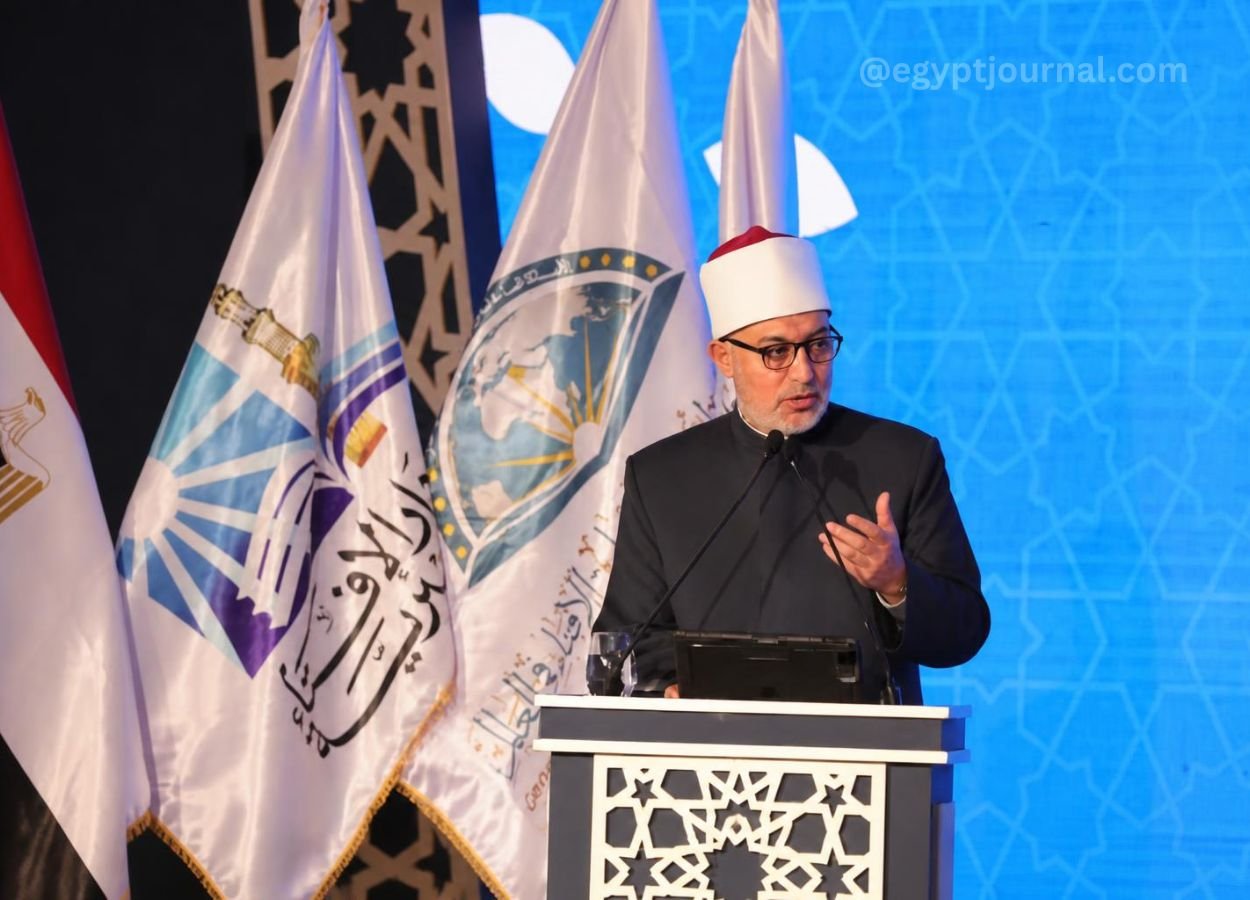


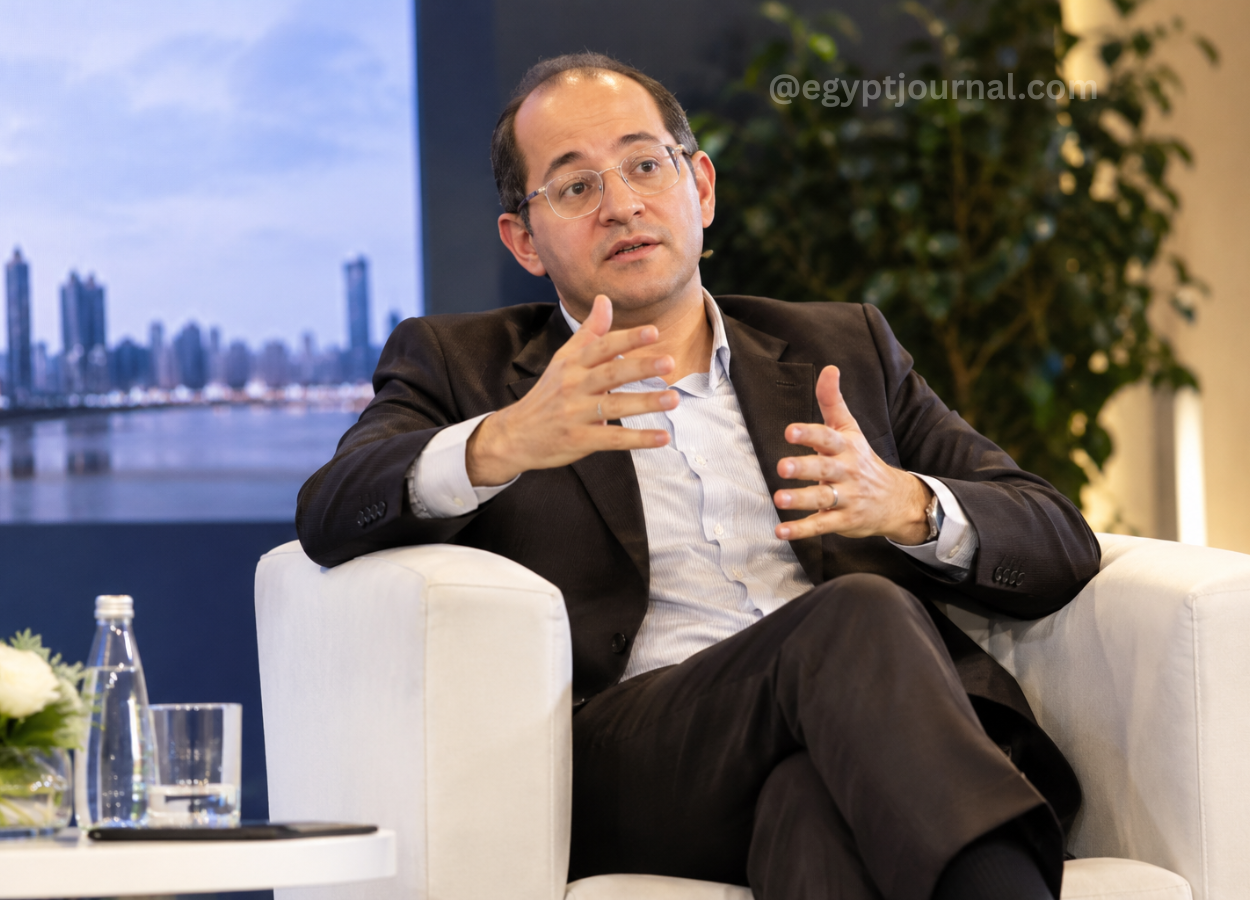
An Egyptian academic and former senator says his long relationship with Germany has moved from childhood awe at its military strength to a focus on how the country built systems that restrain state power, according to an opinion column published Sunday. Germany institutional power
Dr Ramy Galal, a governance and institutional reform specialist, wrote the piece after returning from Munich, where he joined a UNESCO-hosted programme split between Salzburg and Munich.
He is due back in Germany later this month for two weeks in Berlin, including a cultural diplomacy programme organised at the invitation of the German Federal Foreign Office.
Galal said he first knew Germany through wartime history books, admiring its organisation and military capability before he understood politics.
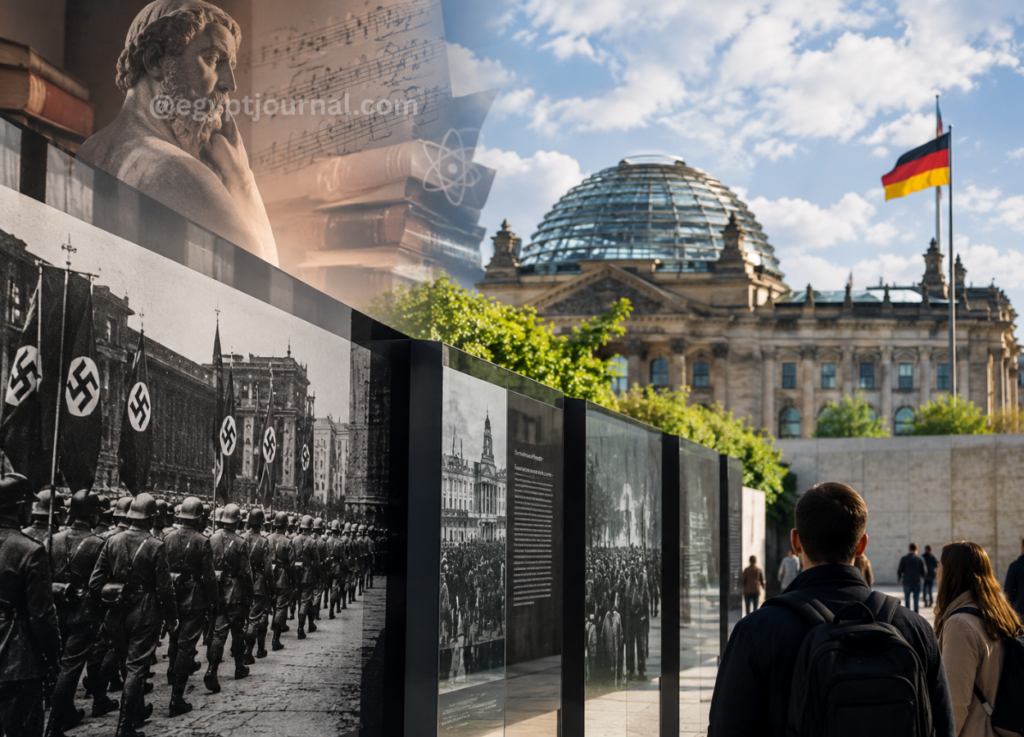
Later reading changed his view. He concluded that a nation’s achievements in philosophy, music and science offered no protection against Nazism, and that education and culture do not guarantee immunity from authoritarianism. In his view, progress depends on institutions that protect citizens, permit dissent and hold power to account.
The author pointed to Munich’s Documentation Center for the History of National Socialism as a telling example. The centre occupies the site of the former Nazi Party headquarters, known as the “Brown House”, and now examines the movement’s rise and the responsibility of those who enabled it.
Galal argued that opening archives, explaining institutional roles and exposing victims’ fates links historical memory to good governance.
He also noted that Germany will mark 36 years since reunification on 3 October, describing the milestone as a reminder that rebuilding a nation includes repairing ties between citizens who lived for decades under different systems.
Galal, an assistant professor who previously served as adviser and official spokesperson for Egypt’s Ministry of Planning and Economic Development, said he does not view Germany as a flawless model or endorse all its policies.
He said Egypt has its own history and questions, and that the value lies in studying how institutions are built, how history is taught and how societies make room for self-examination.
He added that his engagement with Germany, through writing, politics, research and academic partnerships, has also deepened his interest in Holocaust memory and Muslim-Jewish dialogue. Egypt Journal