



Egypt has cut the equivalent of EGP 70 billion in fuel consumption costs over the past two years through efficiency upgrades to its power generation system, while electricity grid losses have fallen to 17.6%, Electricity and Renewable Energy Minister Mahmoud Esmat announced Sunday. Egypt Fuel Cost Savings
Esmat said the ministry has revised how generation plants operate, applying stricter quality and economic-efficiency standards that brought fuel use for electricity generation below 170 grams per kilowatt.
He added that officials are actively guarding against any return to the load-shedding blackouts that hit the country in previous years, having built out contingency scenarios to handle possible regional geopolitical disruptions to fuel supply.
The ministry is also coordinating with the Petroleum Ministry to keep power plants flexible enough to run on whatever fuel mix is available.
The minister tied the gains to a decade-long state focus on the energy sector, which he said has drawn close to EGP 5 trillion in investment and added more than 35,000 megawatts of generation capacity through a mix of thermal and renewable sources.
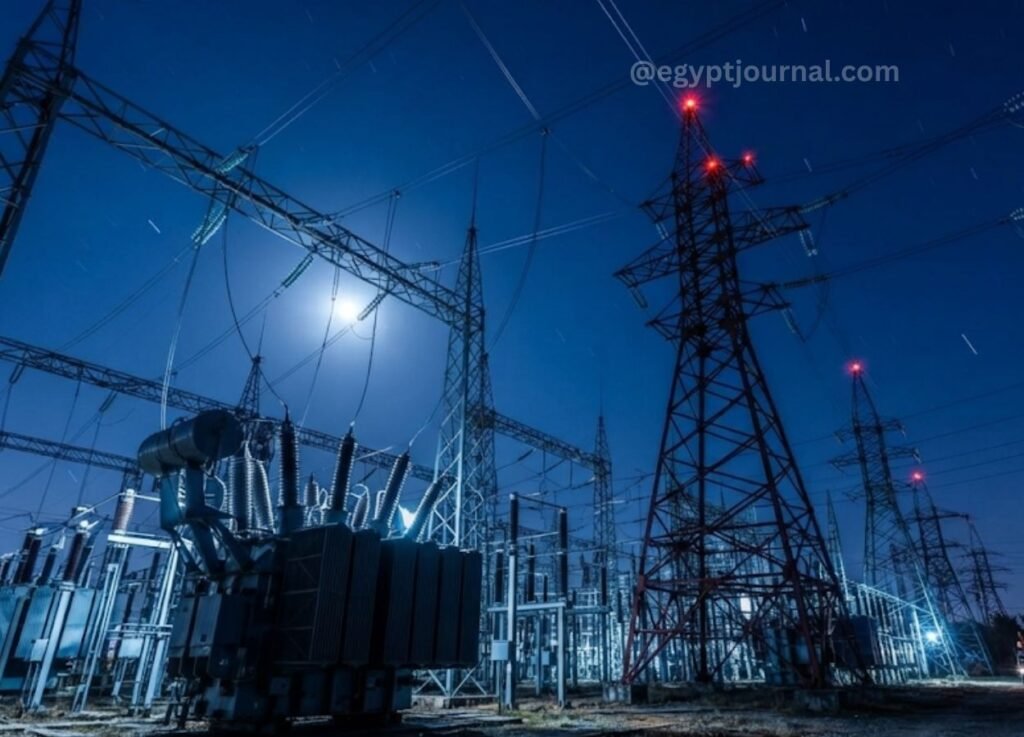
Upgrades have included converting existing plants to combined-cycle operation to raise output without burning additional fuel.
Nuclear power featured heavily in Esmat’s remarks. The El Dabaa plant, expected to add 4,800 MW to the grid, will save nearly 8 billion cubic metres of natural gas annually once complete, generating an estimated 38,000 gigawatt-hours of clean electricity.
The reactor pressure vessel for its first unit was installed in November 2025, with the second following in July 2026.
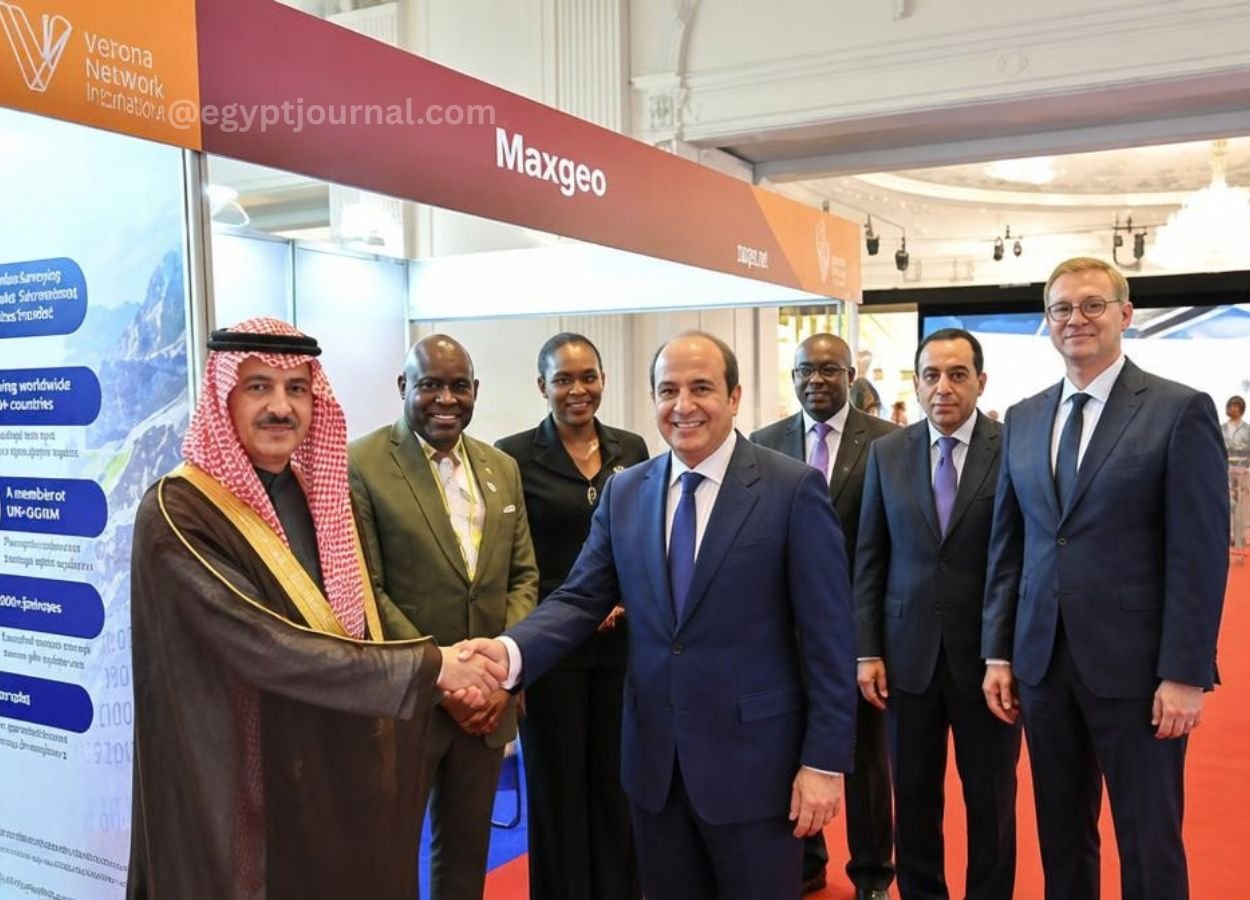
Esmat also pointed to Egypt’s growing role as a regional energy hub, citing interconnection links with Sudan, Libya and Jordan, and a Saudi Arabia connection now in trial operation — a 1,320-km line designed to carry up to 3,000 MW.
Studies for further links with Greece and Italy are being finalized, he said, positioning Egypt as an electricity bridge between Africa and Europe.
On the consumer side, the ministry has upgraded 26 customer service centers, with 45 more planned next fiscal year, and is rolling out 1 million smart meters, targeting 270,000 installations by the end of 2026.