





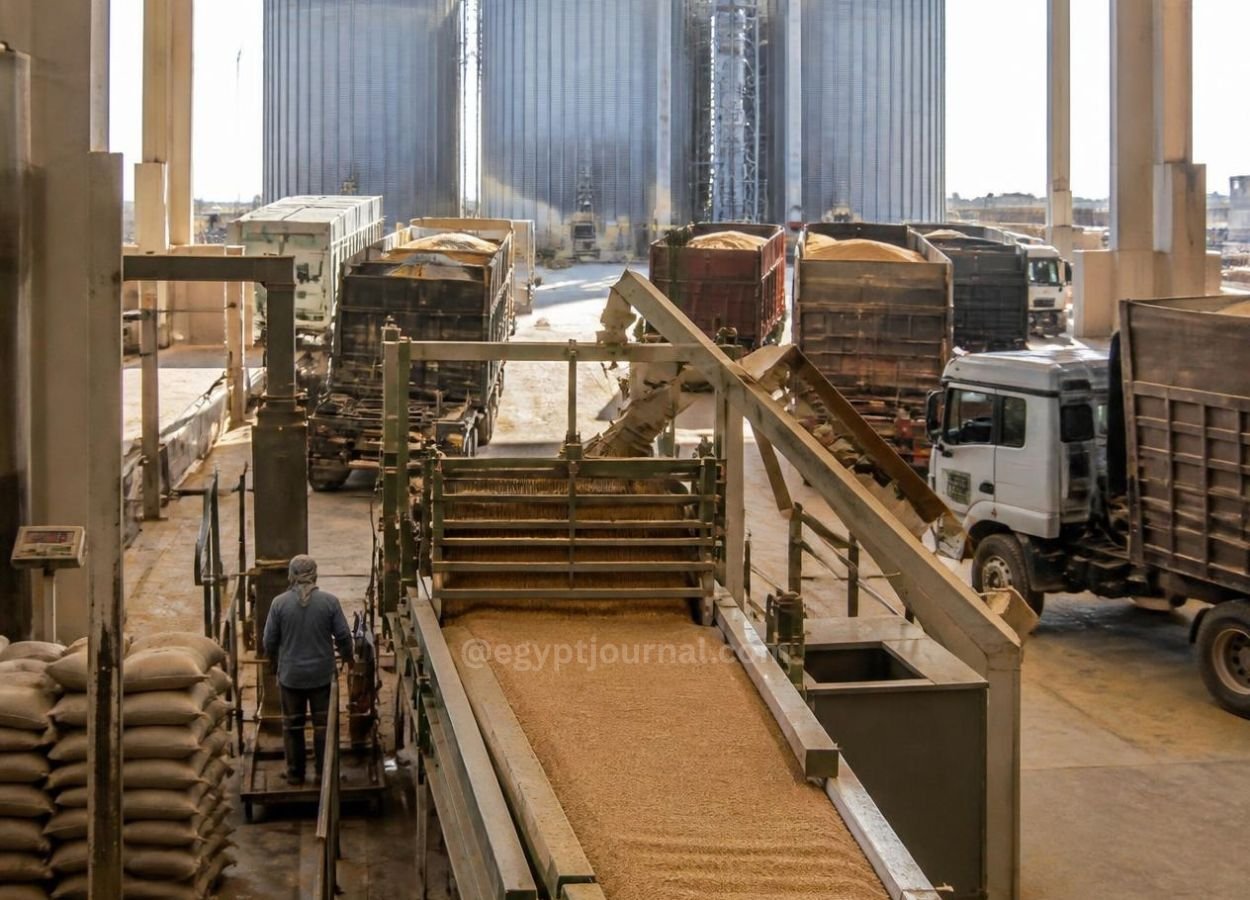
Geopolitical tensions in the Black Sea and attacks on ships in the Red Sea are raising costs and expenditures for firms engaged in wheat milling and processing in Egypt and Saudi Arabia. This is the main finding of a research study published in the Future Business Journal journal by experts from Tanta University in Egypt. Middle East Grain Supply
The scholars analyzed the effect of geopolitical risks on milling companies using publicly available data from 11 firms listed on the stock exchange in 2020-2025 (up to early 2025).
It was found that political instability raises expenditures in wheat production, transportation, storage, and sales in the two Arab countries, which are significant wheat producers and consumers.
Disruptions in maritime trade in the Red Sea raise costs for firms due to the need to divert to longer and more expensive shipping routes around Africa.
While Saudi Arabian processing entities face higher overall risks from Red Sea supply delays due to their integration with key regional trade lanes, Egyptian processors remain uniquely vulnerable to Black Sea disruptions. Egypt relies on Ukrainian and Russian grain markets for roughly 86 percent of its total wheat imports.
In addition to military conflicts, macro-economic factors including global fuel prices, currency devaluation, and inflation heavily drive operational costs upward.
Domestic energy price fluctuations severely hit Egyptian mill operators by expanding local transit and processing costs, whereas Saudi Arabia’s domestic energy management programs cushion its local processors from volatile fuel markets.
Furthermore, supply chain diversification plays a decisive role in cost containment. Egyptian companies operating under concentrated supplier dependencies face rapid cost spikes when supply channels founder.
Conversely, Saudi Arabian firms leverage broader, multi-source purchasing frameworks and corporate partnerships to shield operations against regional trade shocks.
To bolster national food security, the study advises Egyptian authorities to broaden wheat sourcing toward nations like India, Romania, and Argentina while enhancing local grain storage reserves. Egypt Journal