






Egypt’s electricity ministry has ramped up pressure on Orascom Construction to stick to the schedule on its 900 MW Ras Shukeir wind power project after realizing that the government’s plans to raise the percentage of renewables in the electricity mix to 45% by 2028 are facing delays. Ras Shukeir 900 MW wind farm
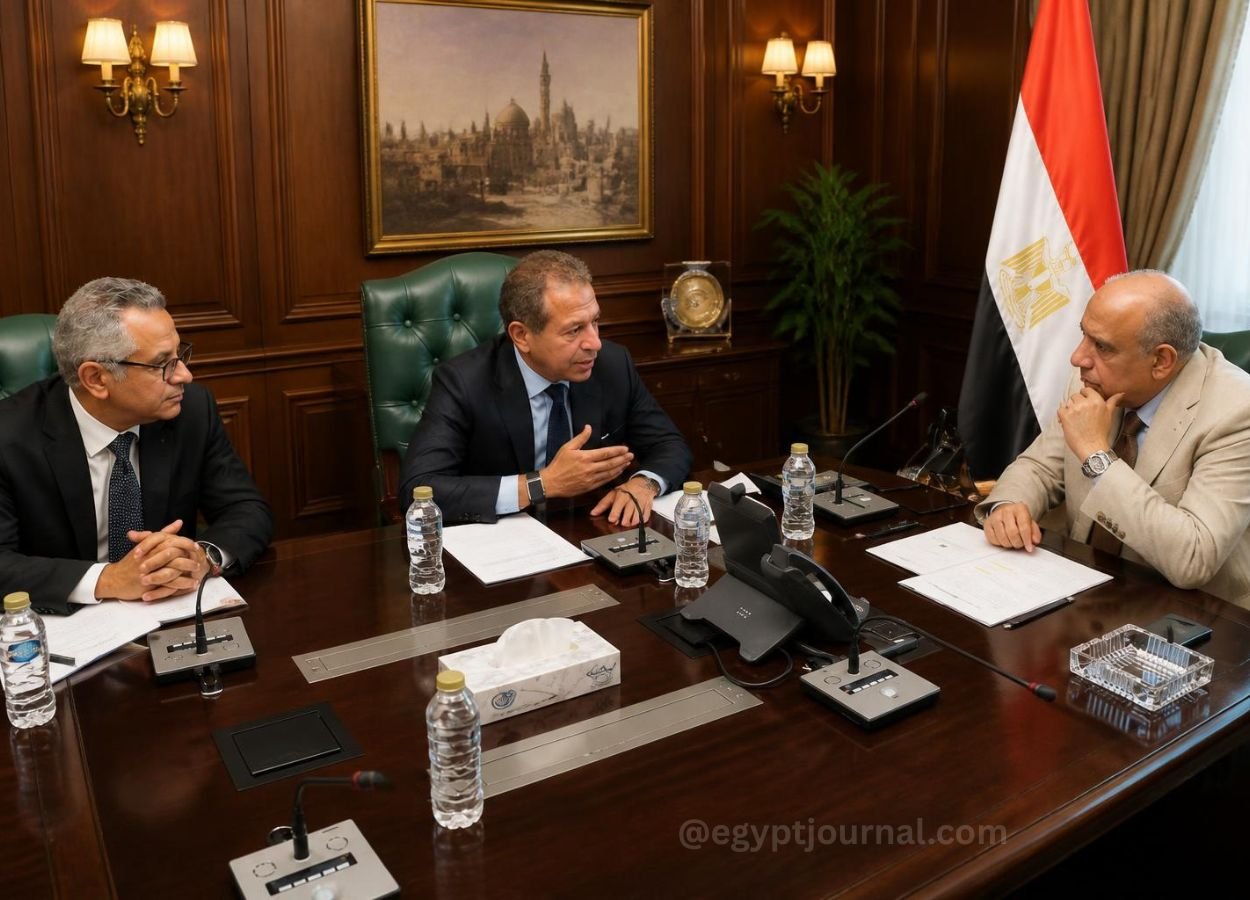
Minister of Electricity and Renewable Energy Mahmoud Esmat met on Sunday with an Orascom Construction delegation headed by CEO Osama Bishai, urging it to complete the construction on time and put technical details for linking the wind farm to Egypt’s national grid in place.
The meeting was arranged as part of the ministry’s regular follow-ups on renewable energy projects around the country in an effort to spot any delays at the earliest possible moment.
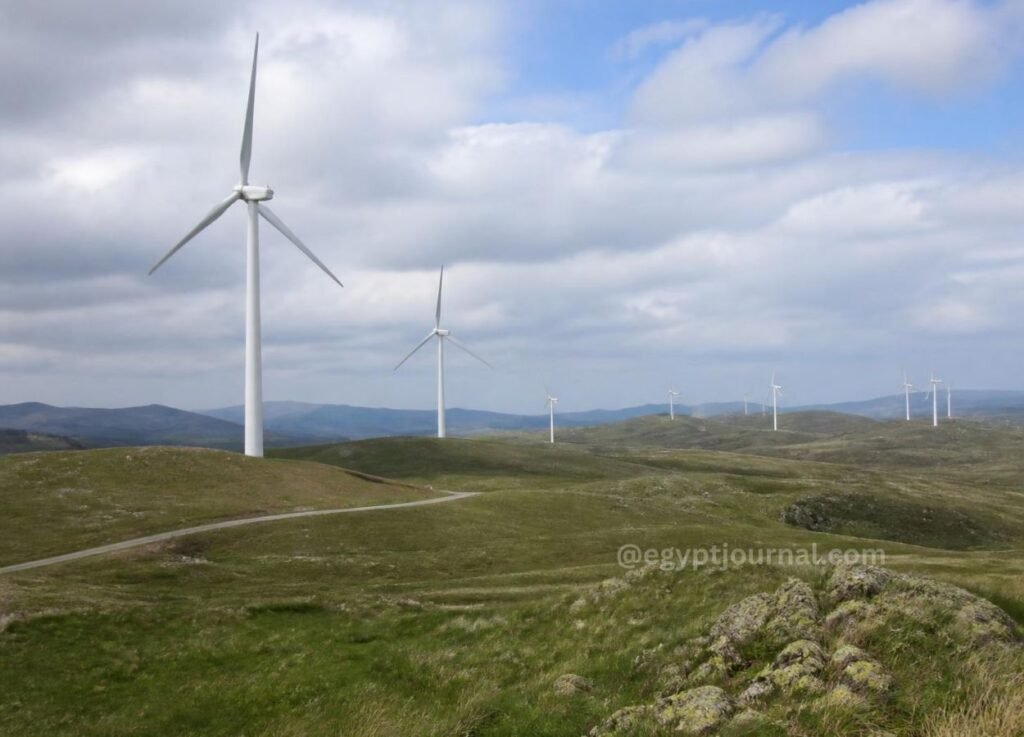
Ras Shukeir is being built in two phases: an initial 300 MW segment due for grid connection by December 2027, followed by a larger 600 MW phase slated for completion in June 2028.
Officials also reviewed progress on the transmission infrastructure needed to carry the generated power into the national network — a critical piece often cited as a bottleneck in Egypt’s renewable rollout.
Beyond the new project, Esmat and the delegation assessed the performance of Orascom’s existing wind facilities in the Gulf of Suez and Ras Ghareb, which together generate 912.5 MW, examining their real-time output alongside their contracted capacity.
The minister said all projects under Egypt’s National Energy Strategy remain subject to close, ongoing oversight, with strict adherence to individual project timelines and grid-connection dates.
He added that the ministry is providing additional support to speed up implementation as Egypt expands both renewable generation and energy storage capacity — investments officials say are meant to cut dependence on fossil fuels, stabilize the grid, and secure supply.
Esmat also emphasized closer coordination with private-sector developers to compress project schedules and accelerate delivery, singling out Orascom’s cooperation as a model for the kind of public-private partnership Cairo wants to replicate across its renewable energy pipeline.


