


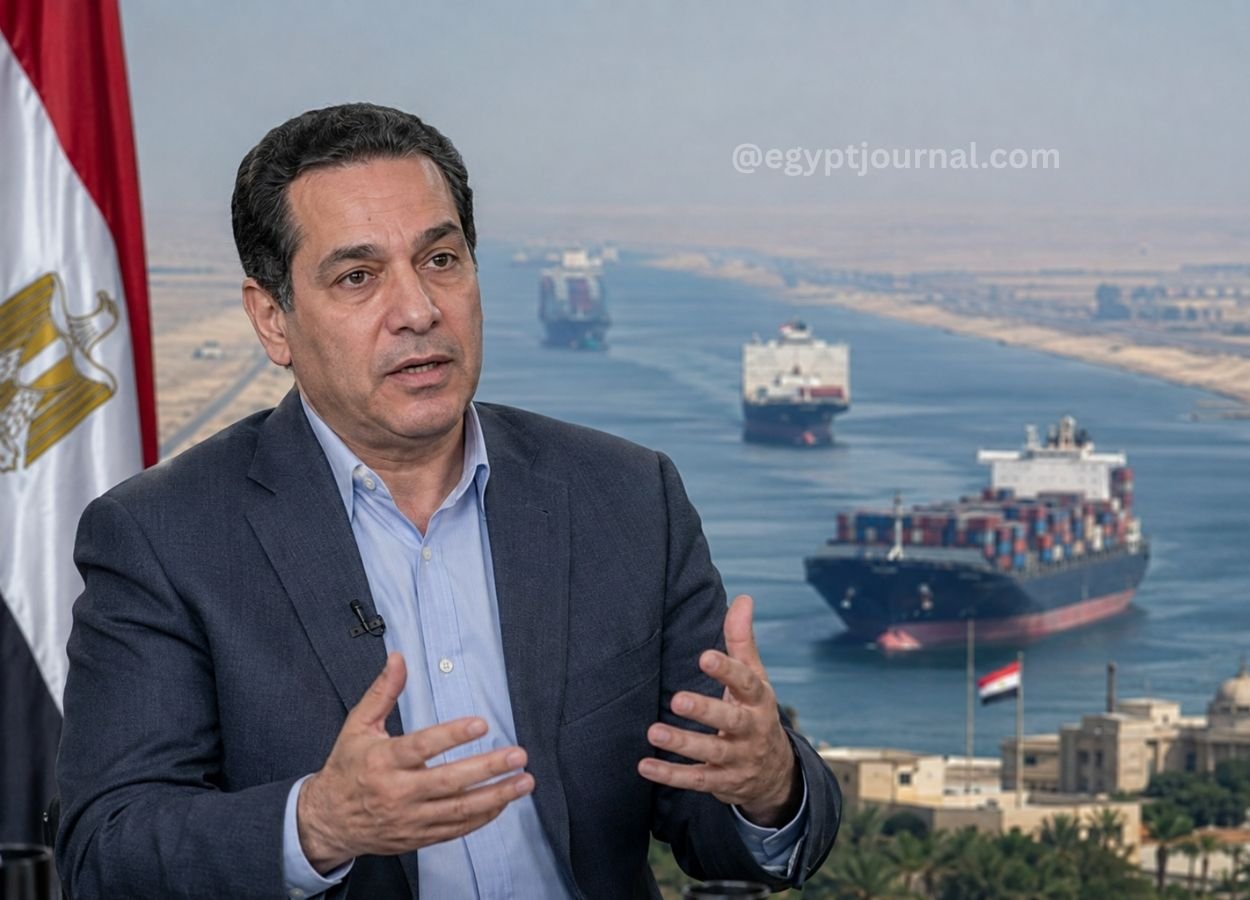
Alaa Mubarak, son of Egypt’s former president Hosni Mubarak, strongly criticized a private proposal suggesting the transfer of state assets—including the Suez Canal—to relieve domestic debt, labeling the idea a direct threat to national security and sovereign authority.
The pushback follows public discourse surrounding a theoretical “Grand Swap” concept floated by businessman Hassan Heikal.
Under Heikal’s model, public enterprises and vital infrastructure would transfer to the Central Bank of Egypt alongside debt obligations, mirroring previous asset-for-debt settlements used across state institutions.
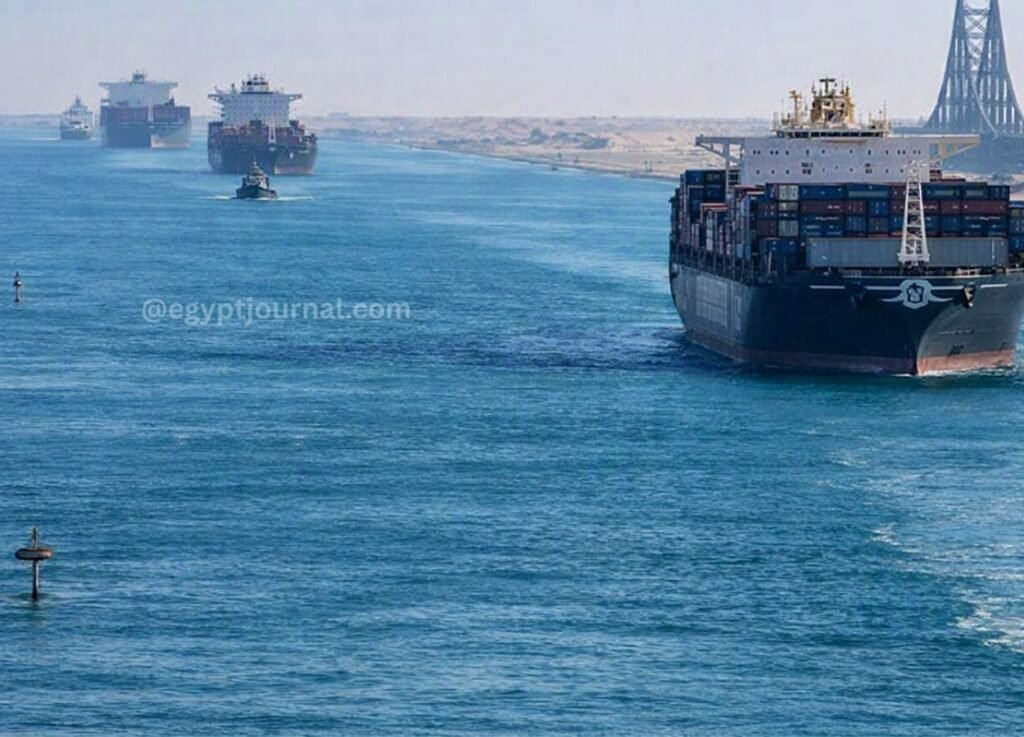
However, critics argue treating core national infrastructure as tradeable financial collateral undermines sovereign stability.
Addressing the controversy on X, Mubarak emphasized that the international waterway represents a core pillar of national identity and strategic security rather than a liquid asset.
He stressed that its geopolitical value far outweighs any short-term balance sheet clearing, arguing that committing the canal to financial leverage, even among internal public bodies, remains fundamentally unacceptable.
The Egyptian Cabinet explicitly clarified that such concepts represent independent opinions rather than active policy. Official government statements confirmed that internal asset transfers do not reduce aggregate national obligations, reaffirming that the Suez Canal remains entirely off-limits for debt-settlement mechanisms.
Instead, state economic management focuses on generating primary fiscal surpluses, lowering debt servicing expenditures, and pursuing targeted asset monetization through public offerings alongside private sector partnerships. Egypt Journal