






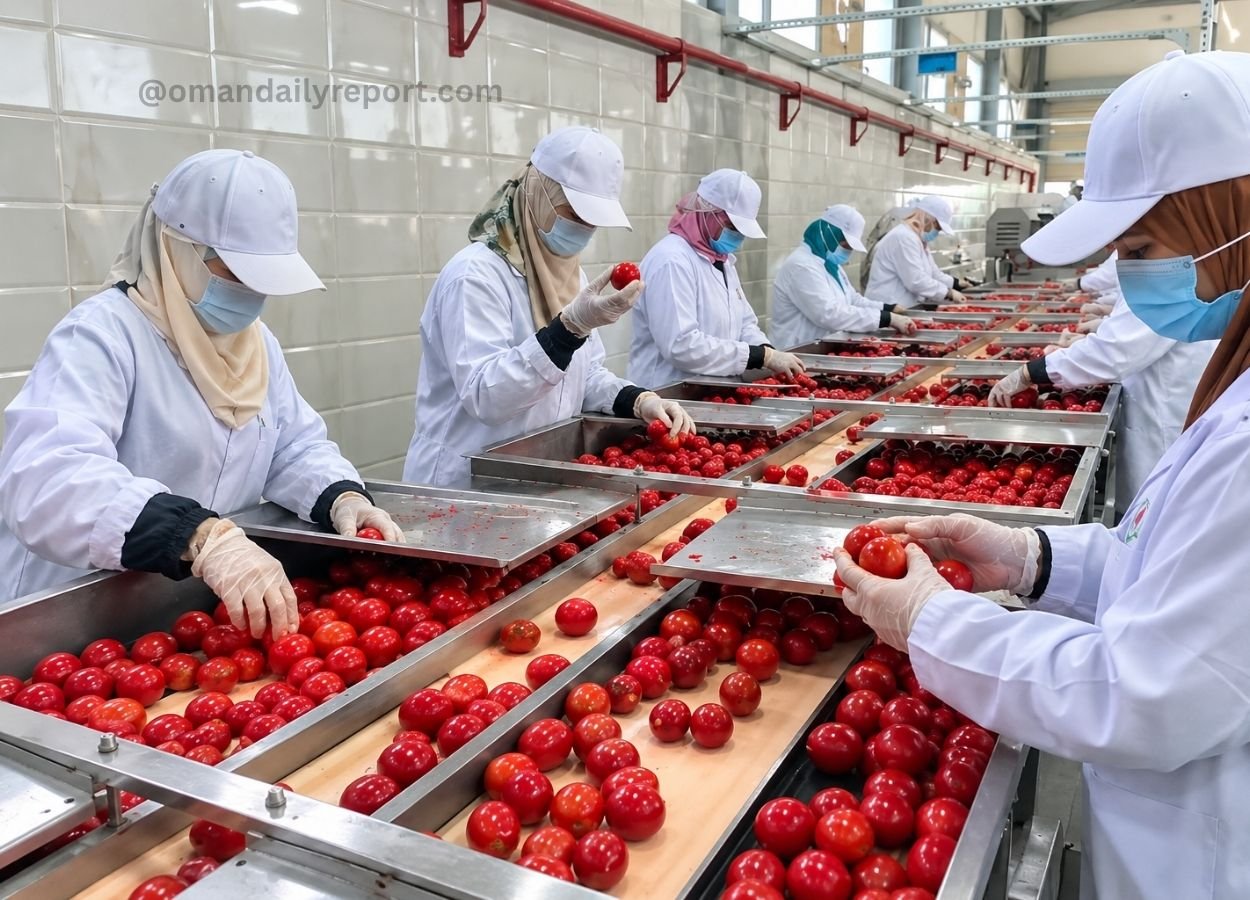
Egypt registered a record foodstuffs turnover at ports during the week, with imports outweighing exports as the country continues to import staples such as wheat and edible oils while exporting fresh produce to dozens of overseas markets.
According to the National Food Safety Authority’s latest weekly report, which covered the period of August 22-August 28, Egyptian exporters dispatched nearly 172,000 tonnes of food in 3,516 shipments, when compared to about 218,000 tonnes of food in 1,546 consignments received by importers.
Exporters distributed nearly 700 different varieties of food to over 156 countries in about 1,300 companies, indicating the extent of Egypt’s food trading reach, despite the trade deficit in the sector.
Vegetables and fruit made up a significant share of what left the country. Vegetable shipments totaled about 36,000 tonnes across 40 varieties, led by sweet potatoes at roughly 14,000 tonnes, followed by onions and potatoes.
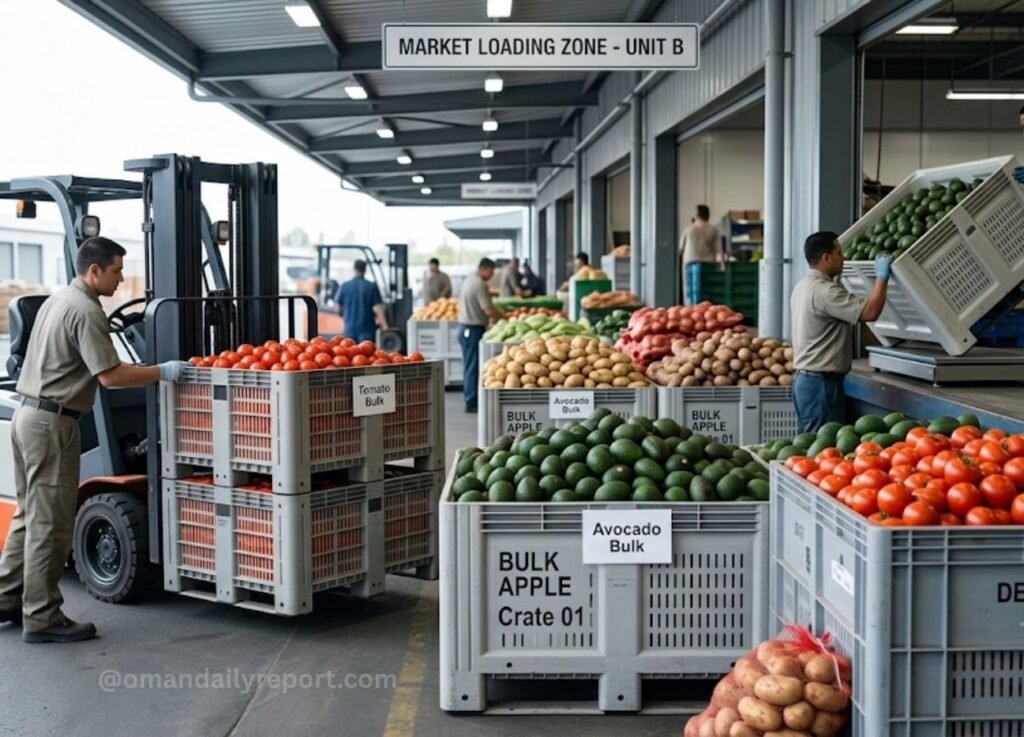
Fruit exports reached around 25,000 tonnes spanning 30 varieties, with strawberries topping the list at about 8,000 tonnes, trailed by mangoes and citrus.
Sudan was the top destination for Egyptian food products that week, ahead of Côte d’Ivoire, Somalia, Saudi Arabia and Tunisia, while Safaga Port handled the largest volume of outbound shipments, followed by Alexandria and Damietta.
On the import side, Egypt brought in food from 80 countries through 766 companies, with Russia supplying the largest share, followed by Indonesia, Australia, the United States and Italy.
Alexandria Port was the busiest entry point for incoming food shipments, ahead of Cairo International Airport and Damietta Port.
To support trade flow, the NFSA issued 1,300 health certificates and 908 export permits for agricultural goods during the week, while granting import licences to 65 companies.
Regulators also placed 117 incoming shipments under precautionary hold and kept 17 previously flagged consignments on hold pending lab retesting, part of the authority’s ongoing effort to balance market access with food safety compliance. Eqypt Journal