



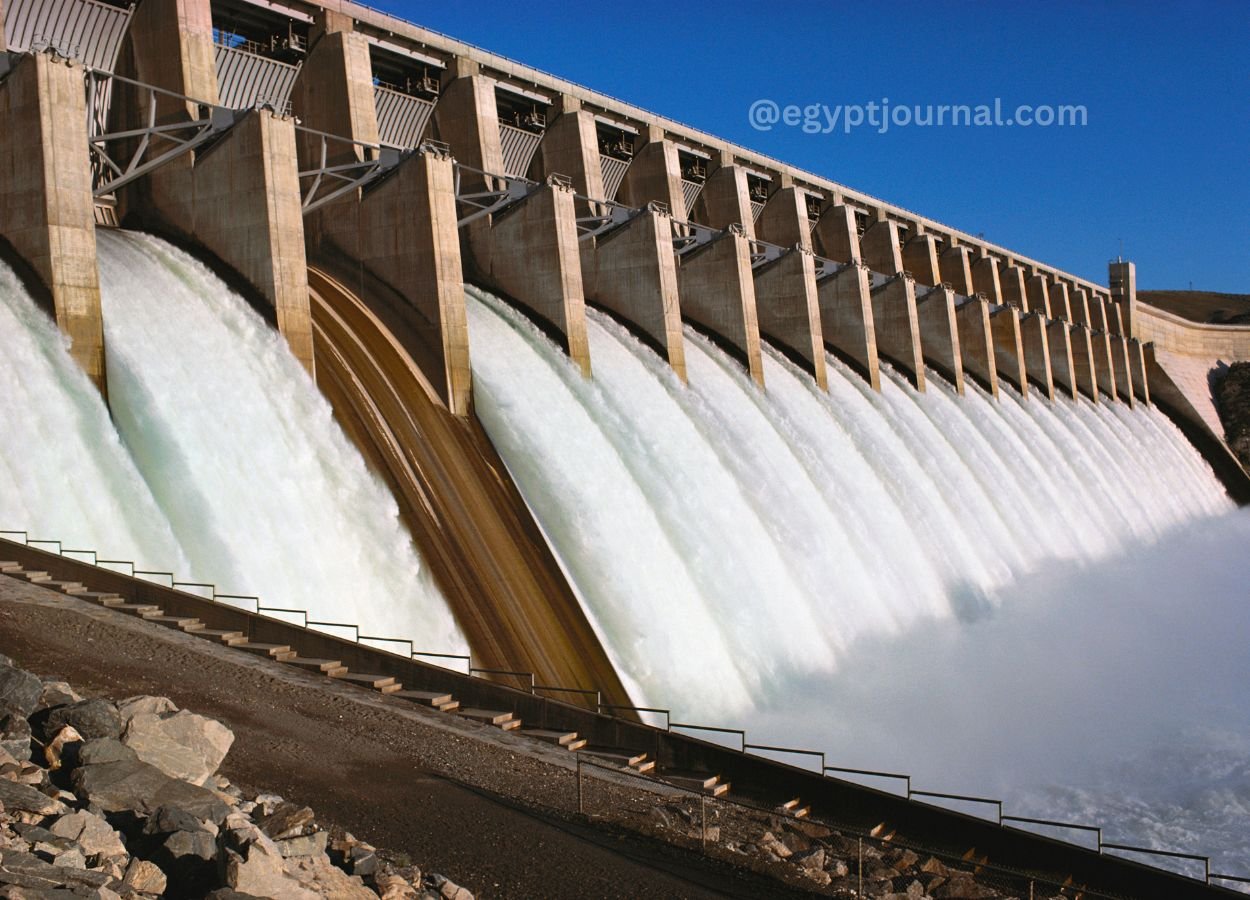
Ethiopia’s reported plans to advance three new hydropower projects on the Blue Nile are putting Egypt’s post-GERD diplomatic strategy to the test, as Cairo shifts from trying to block dam construction outright to seeking a say in how such projects are designed and operated.
The proposed Karadobi, Mandaya and Beko Abo dams have circulated in Nile Basin studies for years — a 2024 academic paper drawing on Nile Basin Initiative research listed all three, noting Karadobi and Beko Abo were once floated as alternatives within a single three-dam configuration.
What has changed is momentum: Ethiopia’s Water and Energy Ministry reportedly signaled plans to move the projects forward in March, with a combined generating capacity cited at roughly 5,700 megawatts, though the scope remains subject to change since the schemes are still in planning.
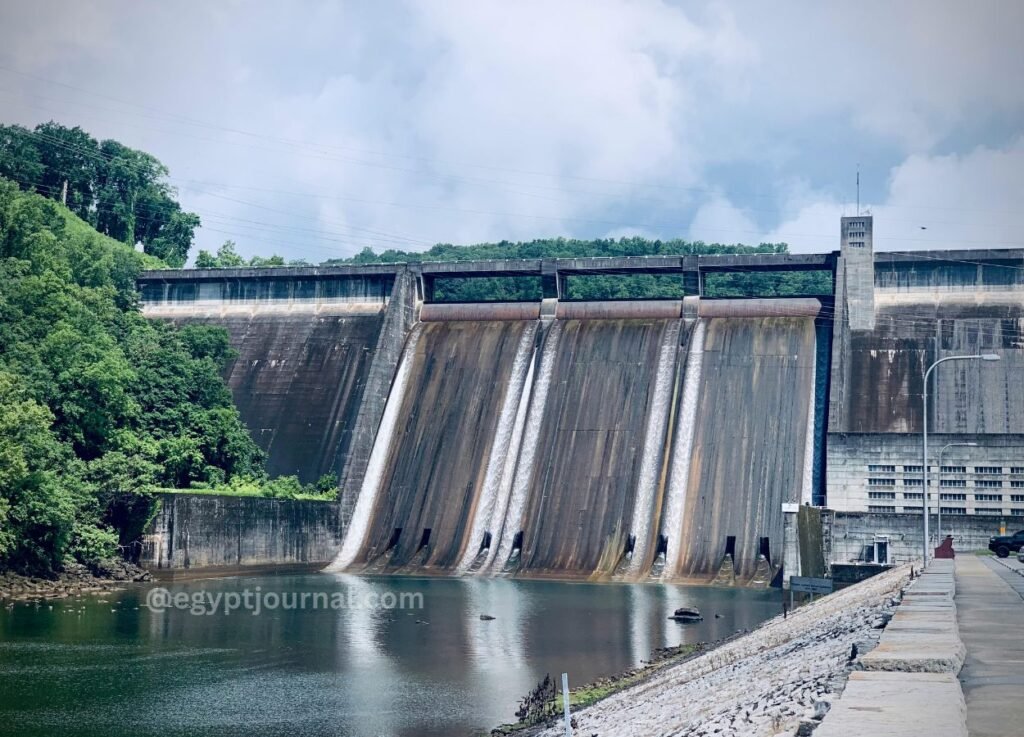
The push comes less than a year after Ethiopia inaugurated the Grand Ethiopian Renaissance Dam in September 2025 — a nearly $5 billion, Ethiopian-funded project with 5,150 megawatts of installed capacity — despite over a decade of Egyptian objections and failed negotiations for a binding agreement among Cairo, Addis Ababa and Khartoum.
For Ethiopia, expanding hydropower remains tied to electricity access and economic growth for a population that has long faced power shortages.
But experts note the downstream impact hinges on design: Kettering University professor Ezekiel Gebissa told Al Jazeera smaller dams built mainly for power generation could leave water volumes largely unaffected, while projects tied to large-scale irrigation would carry heavier consequences for Egypt and Sudan.
Cairo, which depends on the Nile for the bulk of its freshwater, has pressed instead for binding rules on drought management, water releases and data sharing — arguments it again raised at the UN Security Council last September.
Sudan, caught geographically between the two, is seeking its own transparency guarantees even as its ongoing conflict limits its diplomatic bandwidth.
Analysts say Egypt’s leverage remains largely political rather than coercive. Horn of Africa analyst Abdiwahab Sheikh told Al Jazeera that Cairo holds “meaningful but limited leverage,” with diplomacy and international law as its strongest tools, while economic pressure is weaker and military options carry serious risk.